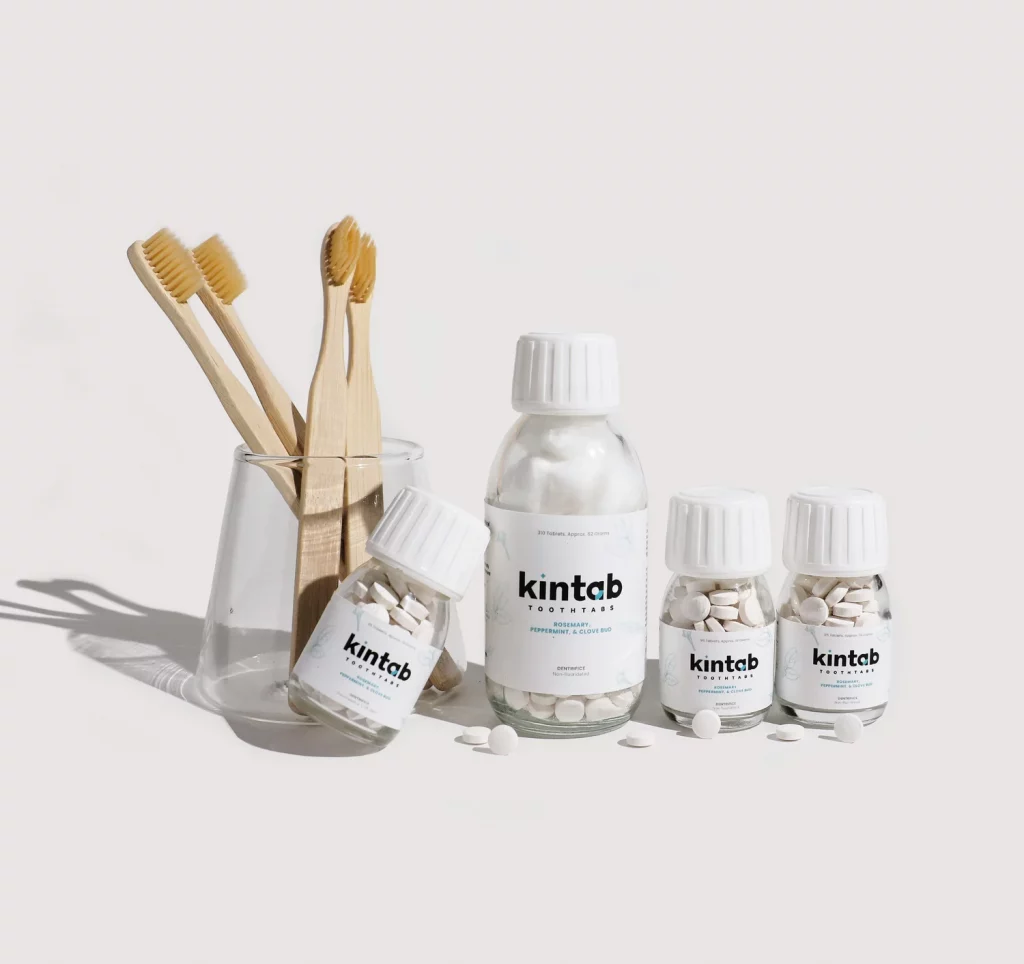
Toothpaste tablets may feel like a trendy, eco-friendly invention, but their story stretches further back than many people realize. What began as an experimental alternative to traditional toothpaste has evolved into a global movement toward sustainability, minimalism, and smarter oral care. Today, toothpaste tablets are reshaping how we think about something as ordinary—and essential—as brushing our teeth.
The Early History of Tooth Cleaning
Long before toothpaste tablets or even toothpaste existed, humans were already concerned with oral hygiene. Ancient civilizations used a variety of materials to clean their teeth:
- Ancient Egyptians created tooth powders made from crushed rock salt, mint, dried iris flowers, and pepper.
- Romans and Greeks used abrasive substances such as charcoal, crushed bones, and oyster shells.
- In parts of Asia and Africa, chewing sticks from medicinal plants were commonly used and are still practiced today.
These early methods laid the foundation for the idea that cleaning teeth regularly was essential for health, even if the tools were rudimentary.
The Birth of Toothpaste—and the Seeds of Tablets
Modern toothpaste as we know it began to take shape in the 19th century. Tooth powders were replaced by creams and pastes, and by the late 1800s, toothpaste was being sold in collapsible tubes—a major innovation at the time.
However, toothpaste tubes introduced new problems:
- Short shelf life once opened
- Messy application
- Single-use plastic packaging
As early as the mid-20th century, researchers and manufacturers experimented with solid and compressed oral-care formats, especially for military use, travel, and space exploration. Solid toothpaste forms were lighter, more stable, and easier to transport—key advantages that would later inspire toothpaste tablets.
How Toothpaste Tablets Were Discovered
Toothpaste tablets emerged from a combination of necessity and innovation rather than a single “eureka” moment. Chemists realized that toothpaste didn’t need water to be effective—the active ingredients could be compressed into a solid form and activated with saliva.
Early versions appeared in:
- Travel kits
- Military rations
- Dental research labs
These tablets contained the same core components as toothpaste—abrasives, cleansing agents, and sometimes fluoride—but without liquid fillers. While functional, they remained niche products for decades, largely overshadowed by the convenience and marketing power of tube toothpaste.
Why Toothpaste Tablets Didn’t Take Off Immediately
Despite their practicality, toothpaste tablets struggled to gain mainstream popularity for several reasons:
- Consumer habits – People were deeply accustomed to squeezing toothpaste from a tube.
- Limited awareness – Sustainability wasn’t a major consumer priority until much later.
- Taste and texture – Early tablets often lacked the pleasant flavors and foaming experience people expected.
As a result, toothpaste tablets remained a specialty product for travelers and minimalists—until the world began to change.
The Sustainability Movement Sparks a Revival
The modern rise of toothpaste tablets is closely tied to the global push for sustainability. By the late 2010s, consumers became increasingly aware of plastic waste, particularly in everyday items.
Consider this:
- Billions of toothpaste tubes are discarded every year.
- Most toothpaste tubes are not recyclable due to their layered plastic and aluminum construction.
Toothpaste tablets offered a compelling solution:
- Plastic-free or refillable packaging
- Longer shelf life
- Precise dosing with less waste
- Easy transport without leaks
As eco-conscious brands emerged, toothpaste tablets were redesigned to be more appealing, effective, and enjoyable to use.
How Toothpaste Tablets Work Today
Modern toothpaste tablets are far removed from their early experimental forms. Today’s versions are carefully formulated to meet dental standards and consumer expectations.
Typically, you use them by:
- Chewing one tablet until it becomes a paste
- Brushing as usual with a wet toothbrush
- Rinsing normally
They now come in:
- Fluoride and fluoride-free options
- Multiple flavors (mint, charcoal, cinnamon, fruit)
- Vegan and cruelty-free formulas
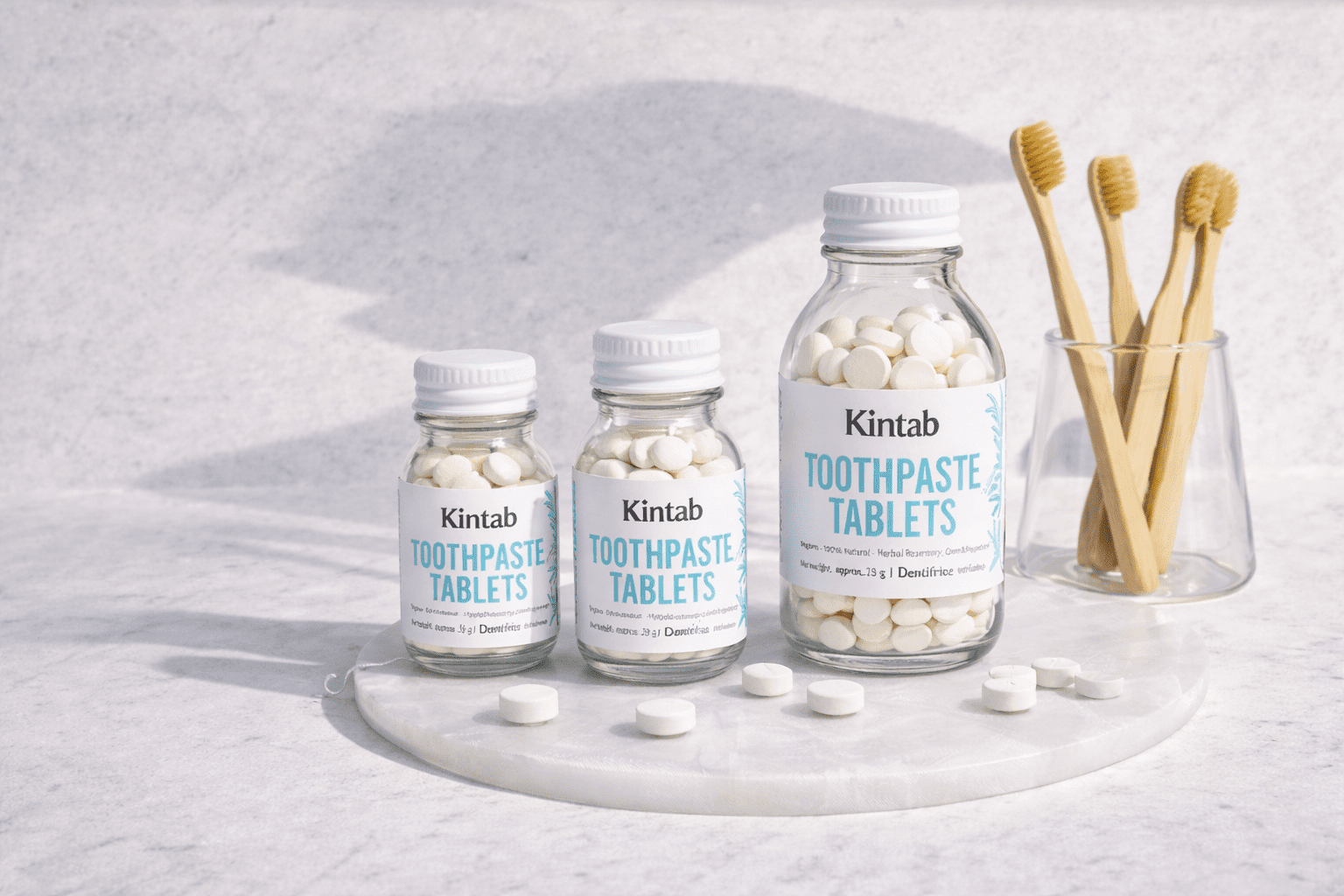
Many brands also pair tablets with compostable packaging or glass jars, reinforcing their low-waste appeal.
Why Toothpaste Tablets Have Prevailed
Toothpaste tablets have succeeded today because they align perfectly with modern values:
- Sustainability – Reduced plastic waste and carbon footprint
- Minimalism – Simple, intentional products
- Convenience – Ideal for travel, work, and small spaces
- Transparency – Clear ingredient lists and ethical sourcing
Dentists are also increasingly recognizing that, when properly formulated, toothpaste tablets can be just as effective as traditional toothpaste.
The Future of Toothpaste Tablets
As sustainability shifts from trend to necessity, toothpaste tablets are poised to become a mainstream oral-care option rather than an alternative. Innovations in formulation, packaging, and consumer education continue to drive adoption.
In the future, we may see:
- Wider acceptance in dental practices
- Expanded use in hotels and airlines
- Increased availability in supermarkets and pharmacies
What was once an overlooked experiment has become a symbol of how small changes in daily habits can make a meaningful impact.
Final Thoughts
Toothpaste tablets are not just a modern eco-trend—they’re the result of centuries of experimentation, innovation, and evolving priorities. From ancient tooth powders to space-age solid formulas, their journey reflects humanity’s ongoing effort to balance health, convenience, and responsibility.
By choosing toothpaste tablets today, consumers aren’t just brushing their teeth—they’re participating in a smarter, more sustainable future.
2 Responses
I know this if off topic but I’m looking into starting my own weblog and was curious what all is needed
to get setup? I’m assuming having a blog like yours would cost a pretty penny?
I’m not very web savvy so I’m not 100% sure.
Any suggestions or advice would be greatly appreciated.
Thanks
Not at all expensive! Creating blog content are easier now especially with the help of AI but always (❗️) make sure to fact check everything. Web builders such as WordPress and Wix are some of the easier sites to start building your site, they’re very user friendly and have internal apps to make your web building journey much more seamless. I would highly recommend elementor and Kubio for WordPress, they both have free versions that helped me design this site.