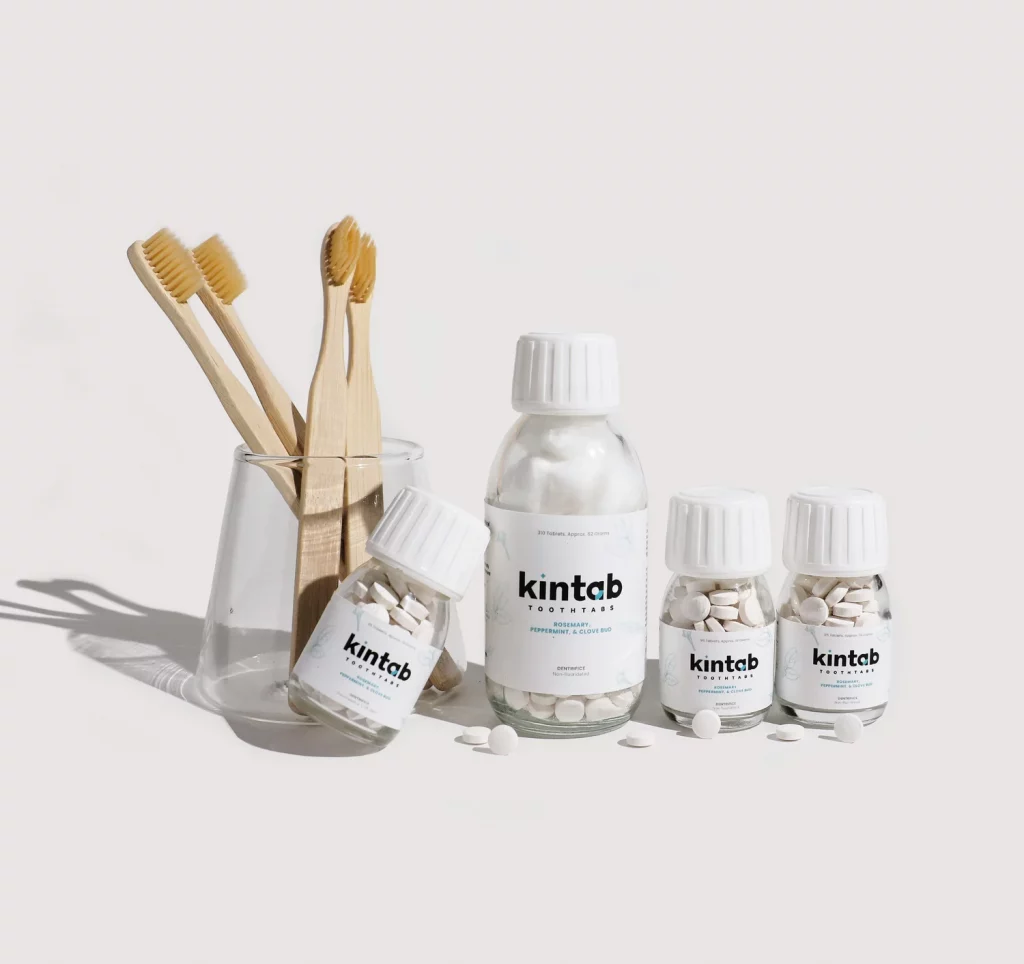
Toothpaste tablets are often seen as a sustainability swap, but their benefits go far beyond reducing plastic. Backed by oral care research and environmental data, toothpaste tablets offer a practical, effective way to care for your teeth while significantly lowering your environmental impact.
Rethinking Daily Oral Care
Oral hygiene is one of the most consistent habits people maintain. Most people brush twice a day, every day, for their entire lives. That consistency makes even small improvements meaningful over time.
Traditional toothpaste typically comes in plastic tubes that are difficult to recycle due to their layered materials. Billions of these tubes end up in landfills each year. Toothpaste tablets were developed as a response to this problem, but they also address several limitations of conventional toothpaste.
How Toothpaste Tablets Support Oral Health
From a dental perspective, toothpaste tablets are designed to be just as effective as traditional toothpaste.
Most high-quality tablets contain:
- Fluoride or alternative remineralizing agents to strengthen enamel
- Gentle abrasives to remove plaque without damaging teeth
- Ingredients that support healthy gums and fresh breath
Because tablets are pre-measured, they help users apply the correct amount of toothpaste every time. Research shows that many people use far more toothpaste than necessary, especially children, which can lead to waste and, in some cases, excessive fluoride ingestion.
Tablets also tend to be drier and more stable, which can reduce the need for certain preservatives found in traditional toothpaste. For people with sensitive mouths, this often results in a cleaner feel with fewer irritants.
Encouraging Better Brushing Habits
Toothpaste tablets require a brief chew before brushing. This small step encourages mindfulness and slows down the routine just enough to promote better brushing technique.
Studies in behavioral science show that habits involving conscious engagement are more likely to be done correctly and consistently. Users often report brushing longer and paying more attention to coverage when using tablets.

Environmental Impact That Adds Up
The environmental benefits of toothpaste tablets are well documented.
Plastic toothpaste tubes are rarely recyclable due to their composite materials. In contrast, toothpaste tablets are commonly packaged in glass, aluminum, or compostable containers.
Additional environmental advantages include:
- Reduced plastic waste over a lifetime of brushing
- Lower transportation emissions due to lighter, water-free products
- Less product waste thanks to precise dosing
Removing water from toothpaste also reduces the energy required during manufacturing and shipping, making tablets a lower-impact option across the supply chain.

Travel, Storage, and Everyday Convenience
Beyond sustainability and health, toothpaste tablets solve practical problems.
They are:
- Spill-proof and TSA-friendly
- Easy to store without clutter
- Ideal for travel, gyms, and shared bathrooms
Because tablets do not dry out or leak, they remain consistent from the first use to the last.
A Small Change With Long-Term Benefits
Switching to toothpaste tablets does not require changing how you brush, only how the toothpaste is delivered. That simplicity is part of why they are effective.
Research consistently shows that environmental progress is most successful when sustainable choices do not demand major lifestyle changes. Toothpaste tablets fit seamlessly into an existing habit, making them one of the easiest ways to improve both personal oral care and environmental responsibility.
The Future of Oral Care
As research continues into sustainable materials and low-waste personal care, toothpaste tablets represent a shift toward smarter product design. They demonstrate that effectiveness, convenience, and environmental responsibility can coexist.
Oral care is something we do every day. Choosing better tools for that routine has an impact that lasts a lifetime.
One response
Excellent post however I was wondering if you could write a litte more
on this subject? I’d be very grateful if you could elaborate a little bit more.
Thanks!